In orbit · First orbital launch from Norway
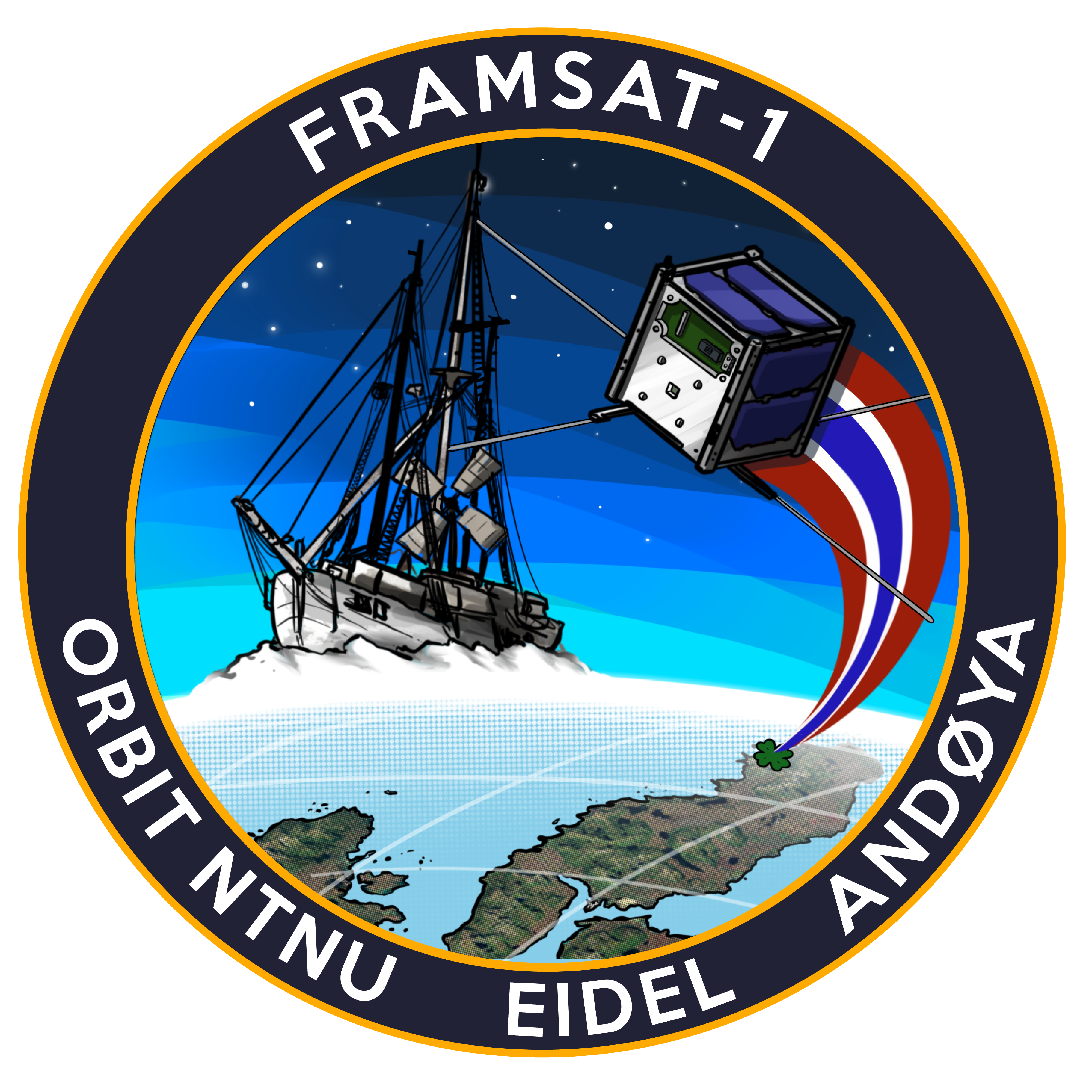
FramSat-1
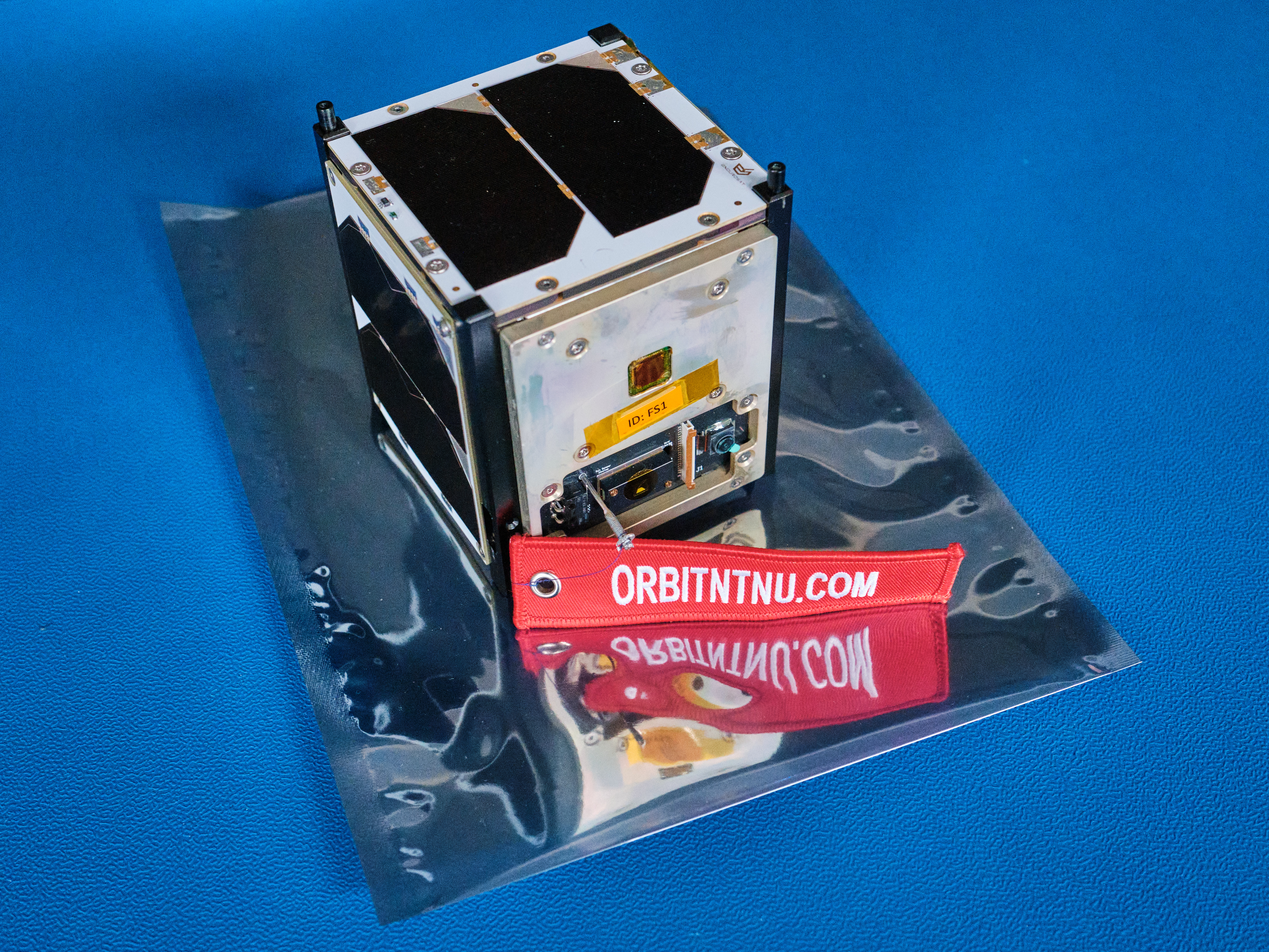
A 1U CubeSat designed, built and tested by students at Orbit NTNU — carried to orbit on the first successful launch from Norway and European mainland.
The first satellite to reach orbit from Norwegian soil — and from the European mainland.
The mission
FramSat is a platform for demonstrating bleeding-edge Norwegian technology in space, flown across two satellites — FramSat-1 and FramSat-1.5.
It's Orbit NTNU's first partner mission: a satellite bus built entirely in-house around an experimental sun sensor from EIDEL AS and the University of Oslo, funded by NTNU and the Norwegian Space Agency. Developing our own systems on volunteer hours puts us in a rare position — able to fly payloads that would never be affordable on commercial platforms.
- Satellites
- FramSat-1 & 1.5
- Payload partners
- EIDEL · UiO
- Funding
- Norwegian Space Agency
- Partner institution
- Norwegian University of Science and Technology
Carried across generations
FramSat-1 passed through the hands of several project managers on its way from concept to orbit — each inheriting a growing mission and handing it on.
Project managers
Torbjørn brattvold
Fall 2021 - Spring 2022
Mathias Askeland
Spring 2022 — Spring 2024
 Current
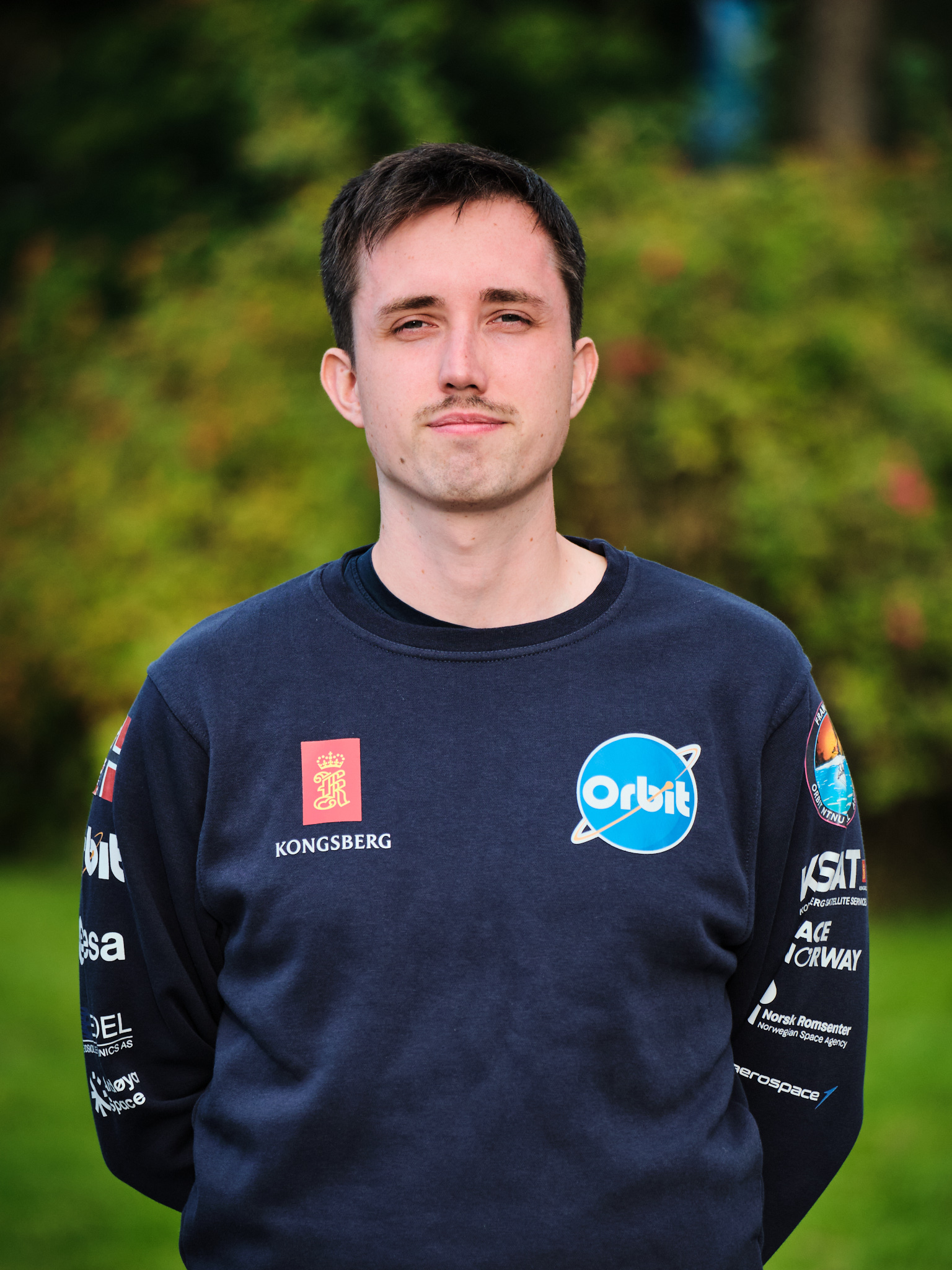
Herman Castberg
Spring 2024 — Present
Insights!
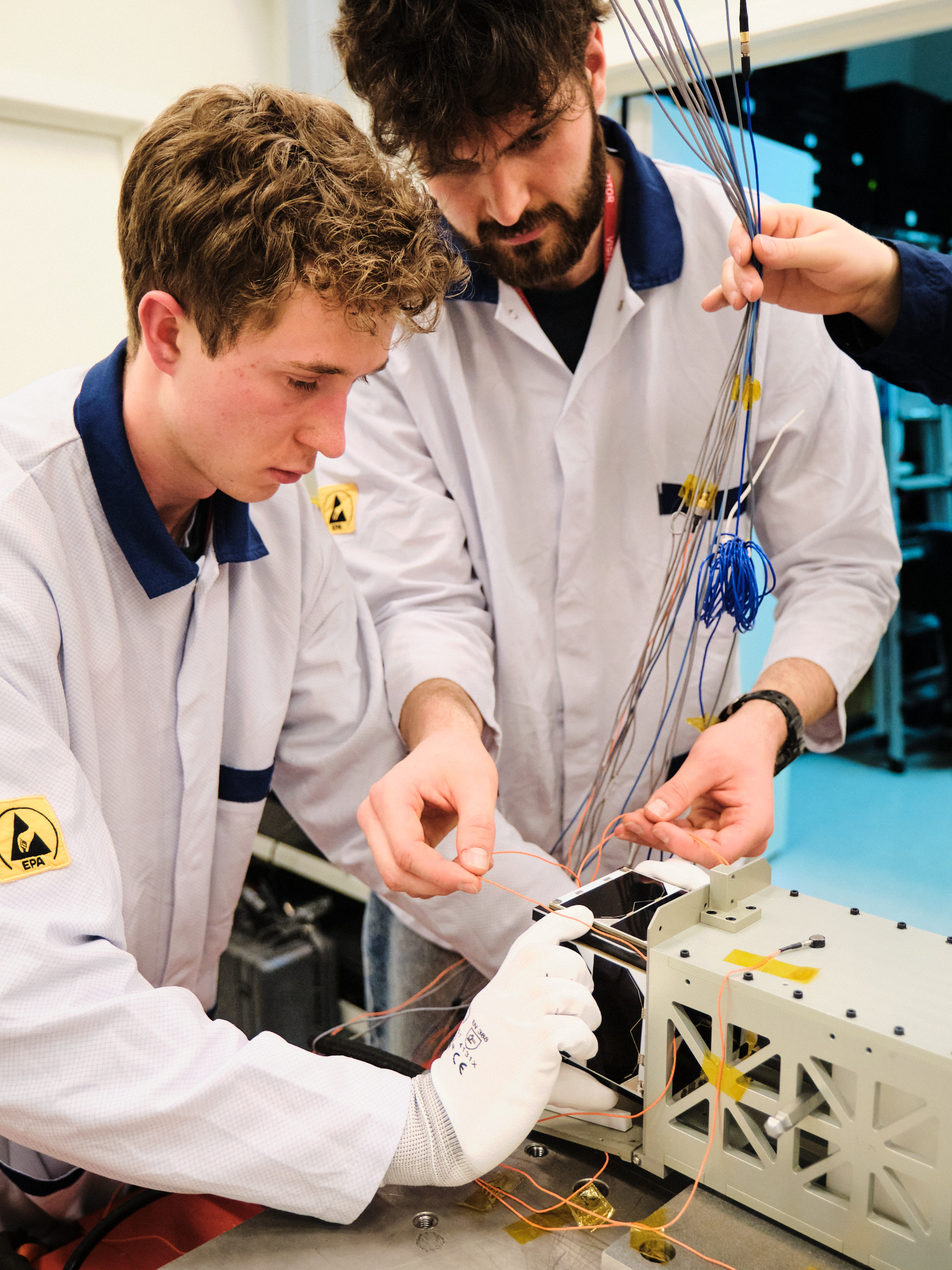
Vibration (shake) testing
Launch
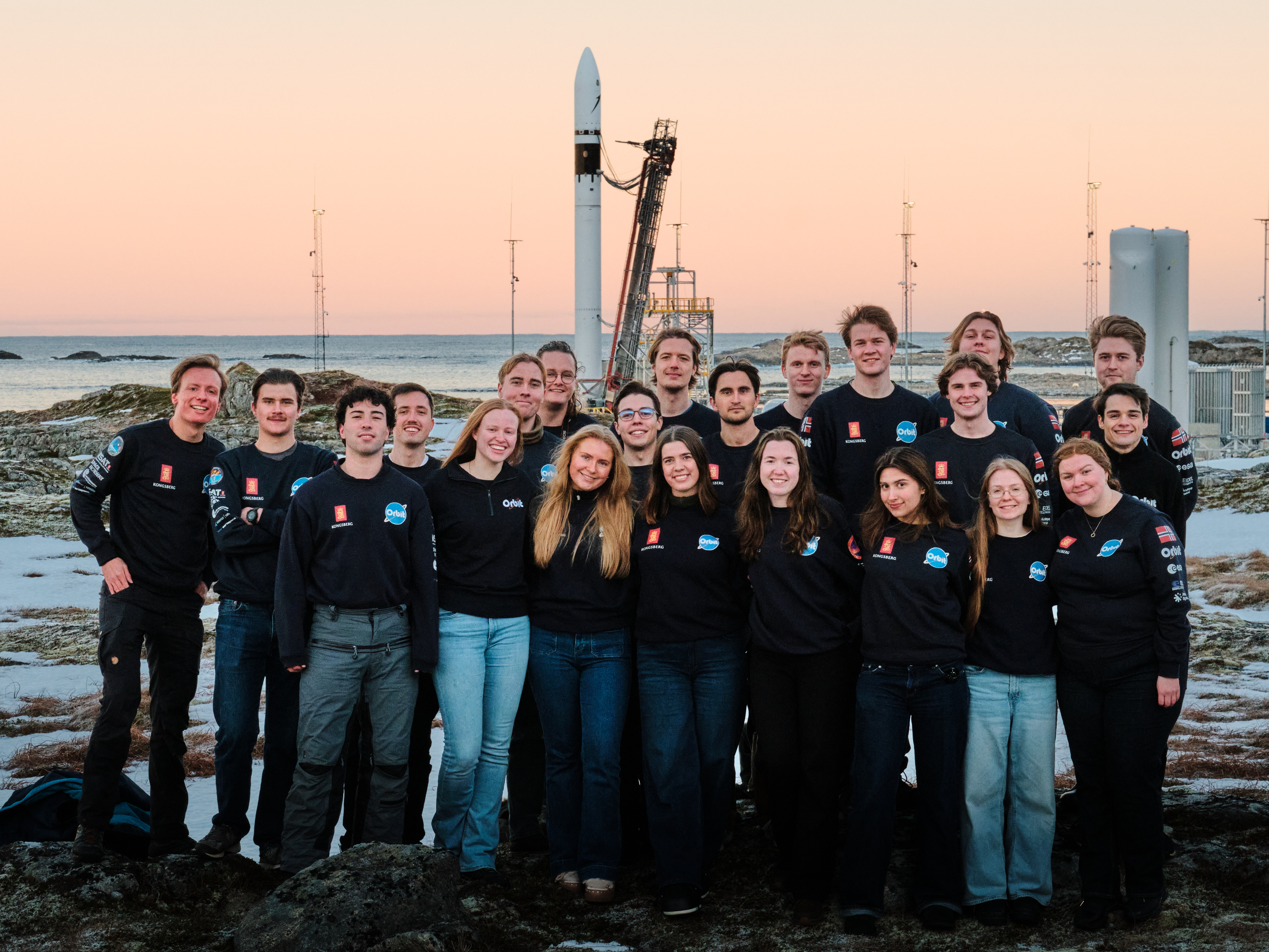
ISAR Aerospace launched Spectrum from Andøya Spaceport with FramSat-1 on board — the first successful orbital launch from Norway, and from the European mainland. ISAR and Orbit NTNU made history together.
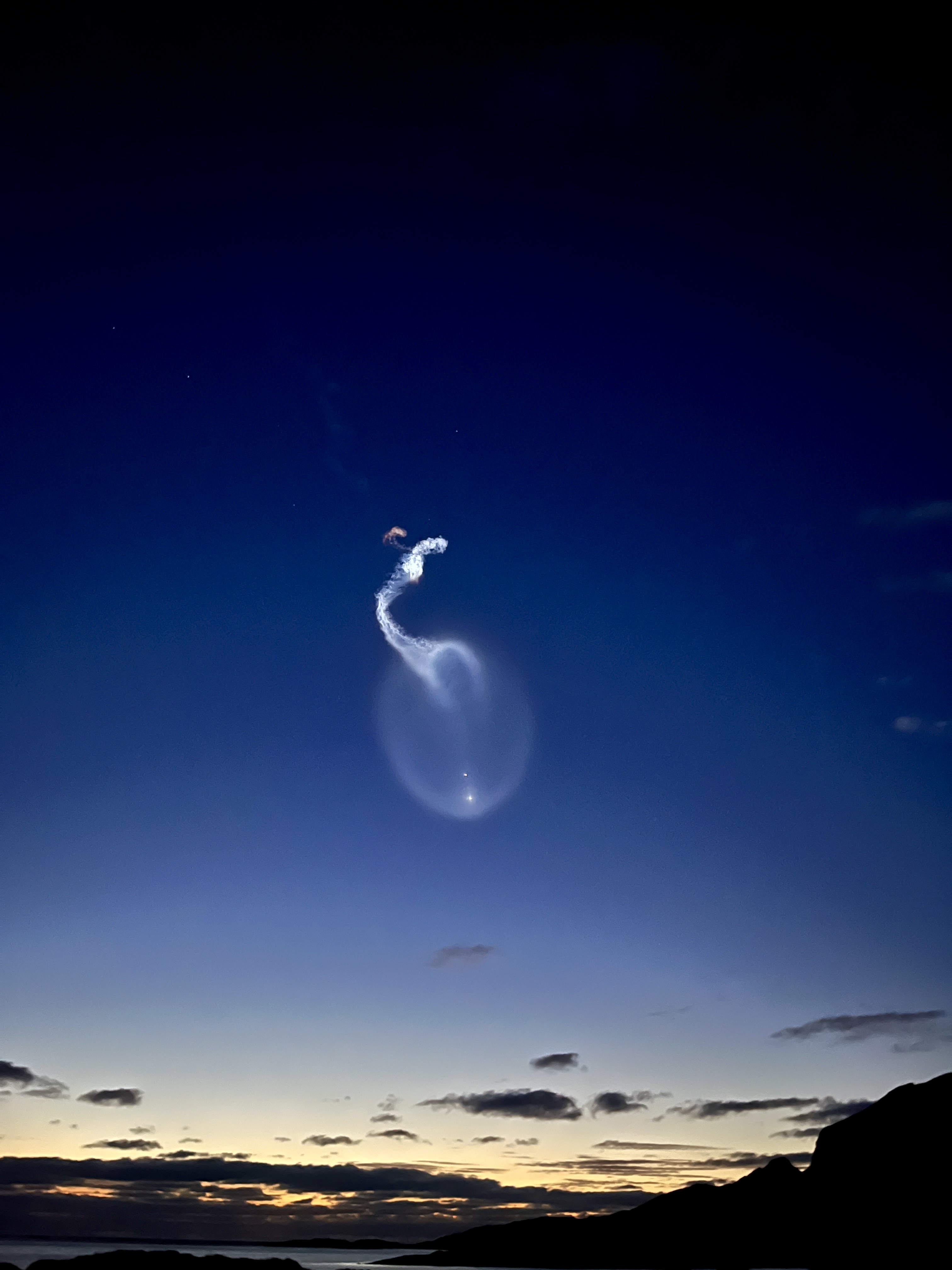
Spectrum's ascent from Andøya Spaceport.
First signals
FramSat-1 separated from Spectrum's second stage and unfolded its antennas about 30 minutes later. Using NTNU's UHF antenna at Gløshaugen in Trondheim, Orbit NTNU received its first signals roughly three hours after ignition.
- 20:12 UTC
Ignition
Spectrum lifts off from Andøya Spaceport.
- T + ~70 min
Satelite deployed
~70 minutes after ignition.
- T + ~100 min
Antennas deployed
~100 minutes after ignition.
- 23:22 UTC
First signals
Received at Gløshaugen — about 3 hours after ignition.