Launching Q4 2027
BioSat
A 3U CubeSat designed and built by students at Orbit NTNU with two payloads — A growing plant and a software-defined radio to survey the amateur band, all while using S-Band communication with the ground
If a seed can wake in orbit, life is far more portable than we ever assumed.
Four phases,
one life cycle.
- 01
Commissioning
After launch, deploy the solar panels, establish contact and bring the satellite to a stable, power-positive state.
- 02
Plant phase
Germinate Arabidopsis thaliana seeds inside the BioBox and grow it in orbit, photographed 14–16 times a day. At the same time, the satellite will communicate with the ground through S-Band communication.
- 03
SDR phase
The software-defined radio surveys the amateur radio band, recording noise and interference — while the S-band radio continues communication with the ground.
- 04
De-commissioning
De-orbit and re-entry, closing the mission.
Biological Payload
BioSat's headline payload is biological. Seeds of Arabidopsis thaliana are germinated and grown inside a sealed chamber in orbit, photographed 14–16 times a day, until the plant dies or four weeks pass.
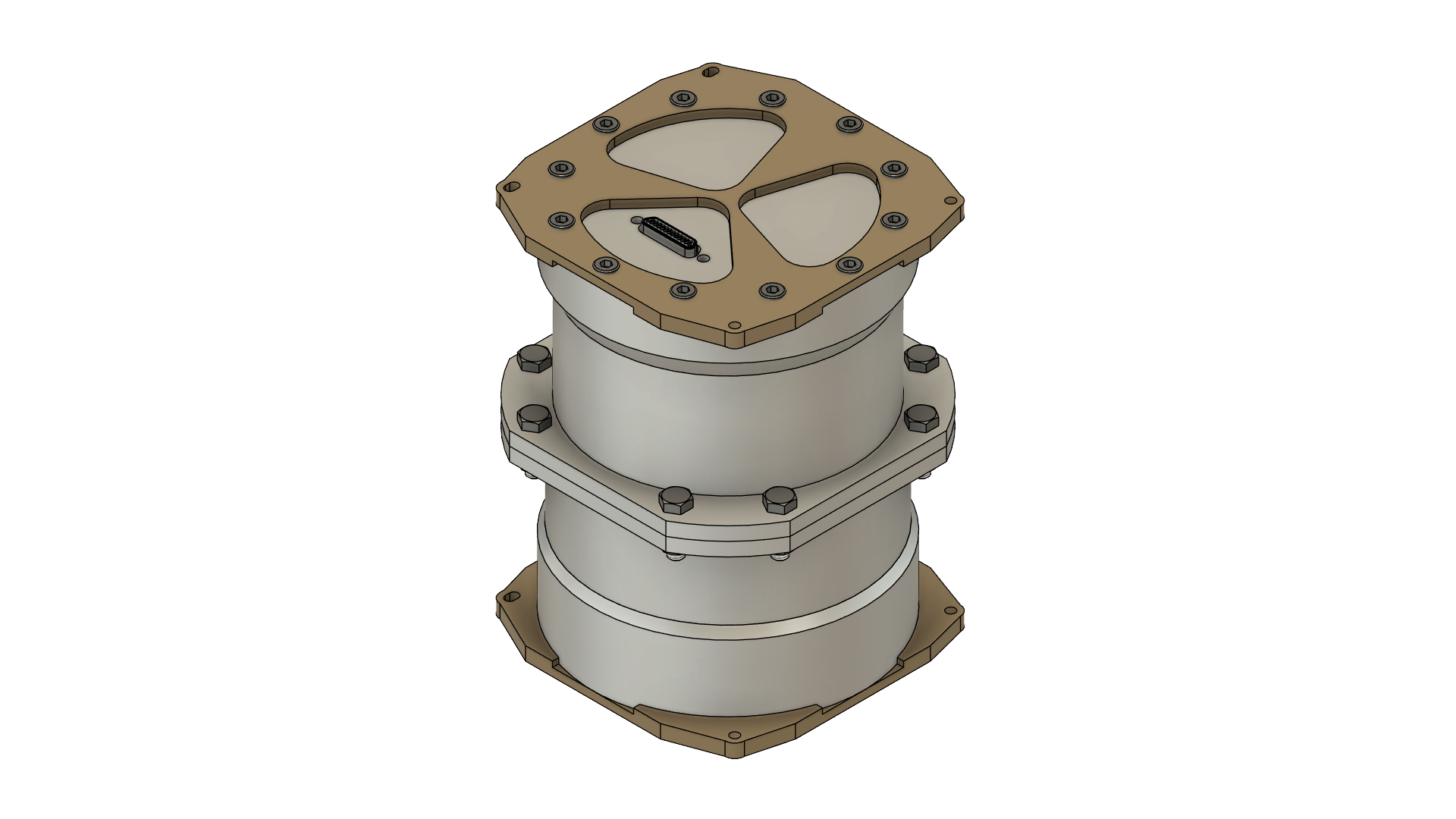
The BioBox
A sealed, cylindrical aluminium container split in two: an electronics module with sensors, camera and Flex-Rigid PCBs — and a payload module, which houses the seeds and the germination system used to grow them.
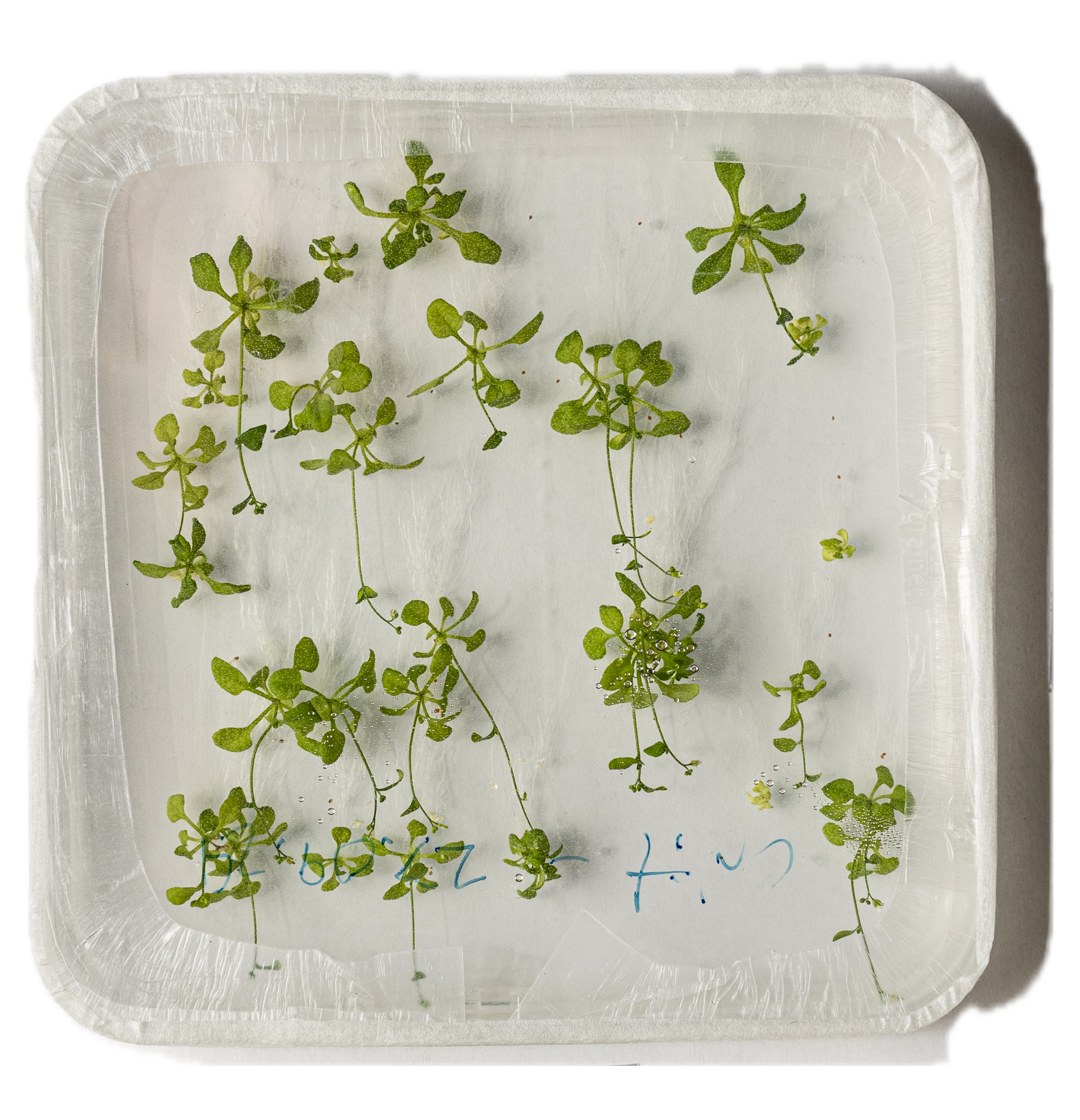
Germinating in orbit
A hydroponic system — a bladder water tank, a peristaltic pump and fine tubing — controls exactly how much the seeds are hydrated, so growth can begin in space.
Carried across generations
BioSat has passed through the hands of many project managers — each inheriting a growing mission and handing it on. The team spans mechanical, electrical and software, all pointed at a single launch window.
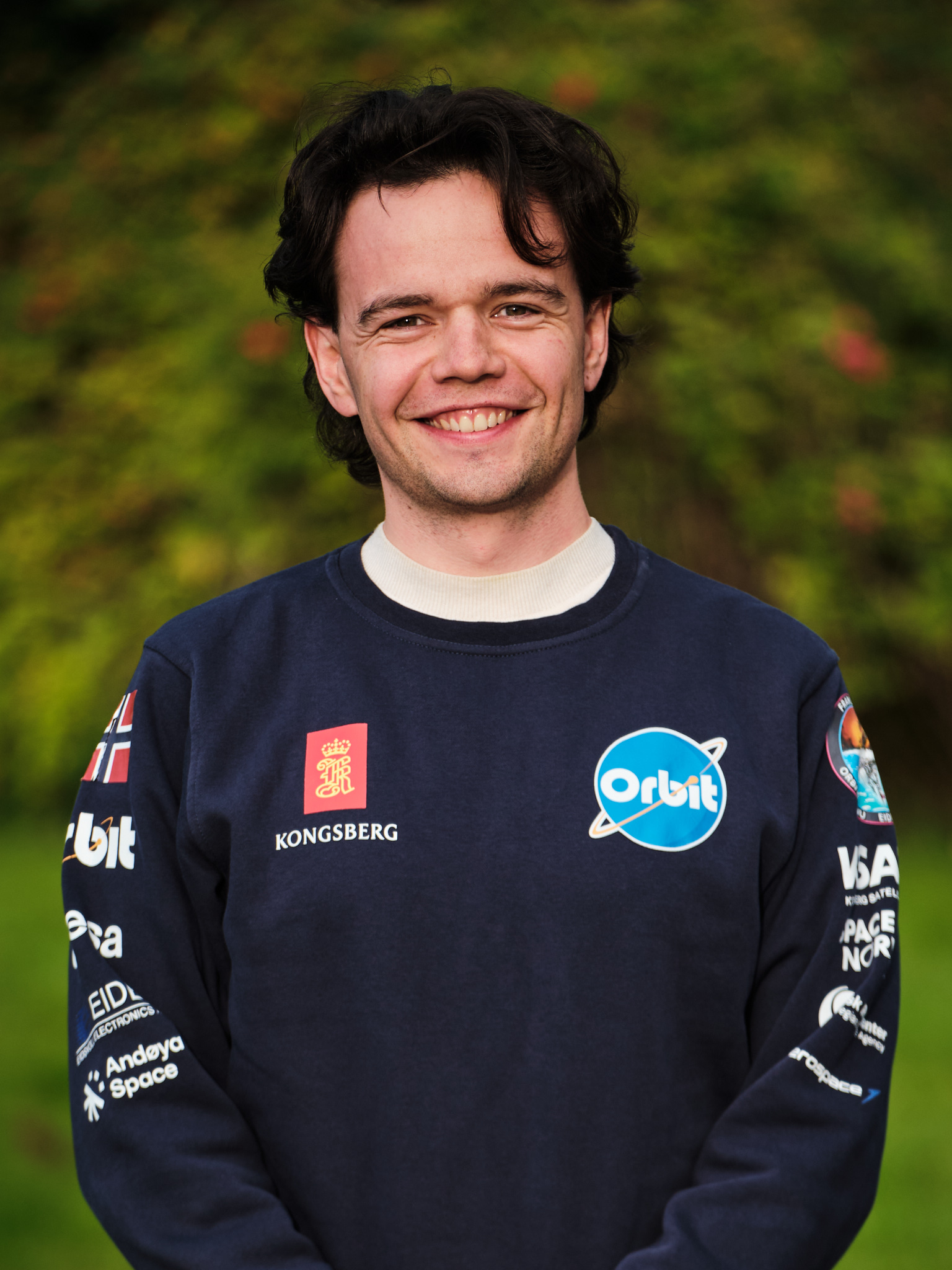
Freider Fløan
Fall 2022 — Spring 2024
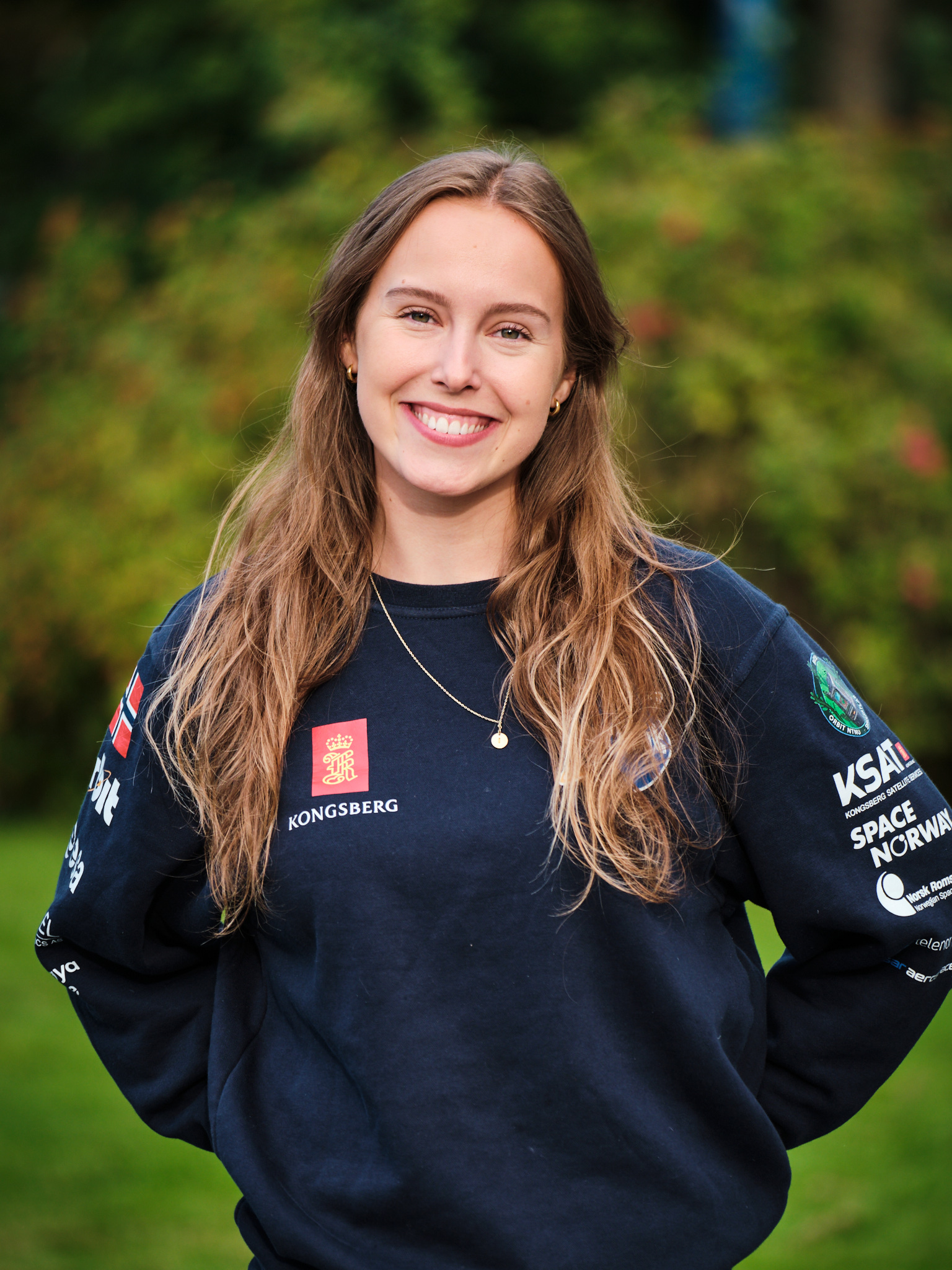
Maja Iuel
Spring 2024 — Spring 2026
 Current
Filip Österberg
Spring 2026 — Present
Insights!
OBC
At the centre of BioSat sits the on-board computer. This is the core that talks to and controls every other subsystem. It's a complex system fully designed in-house by Orbit NTNU, to keep the mission running.
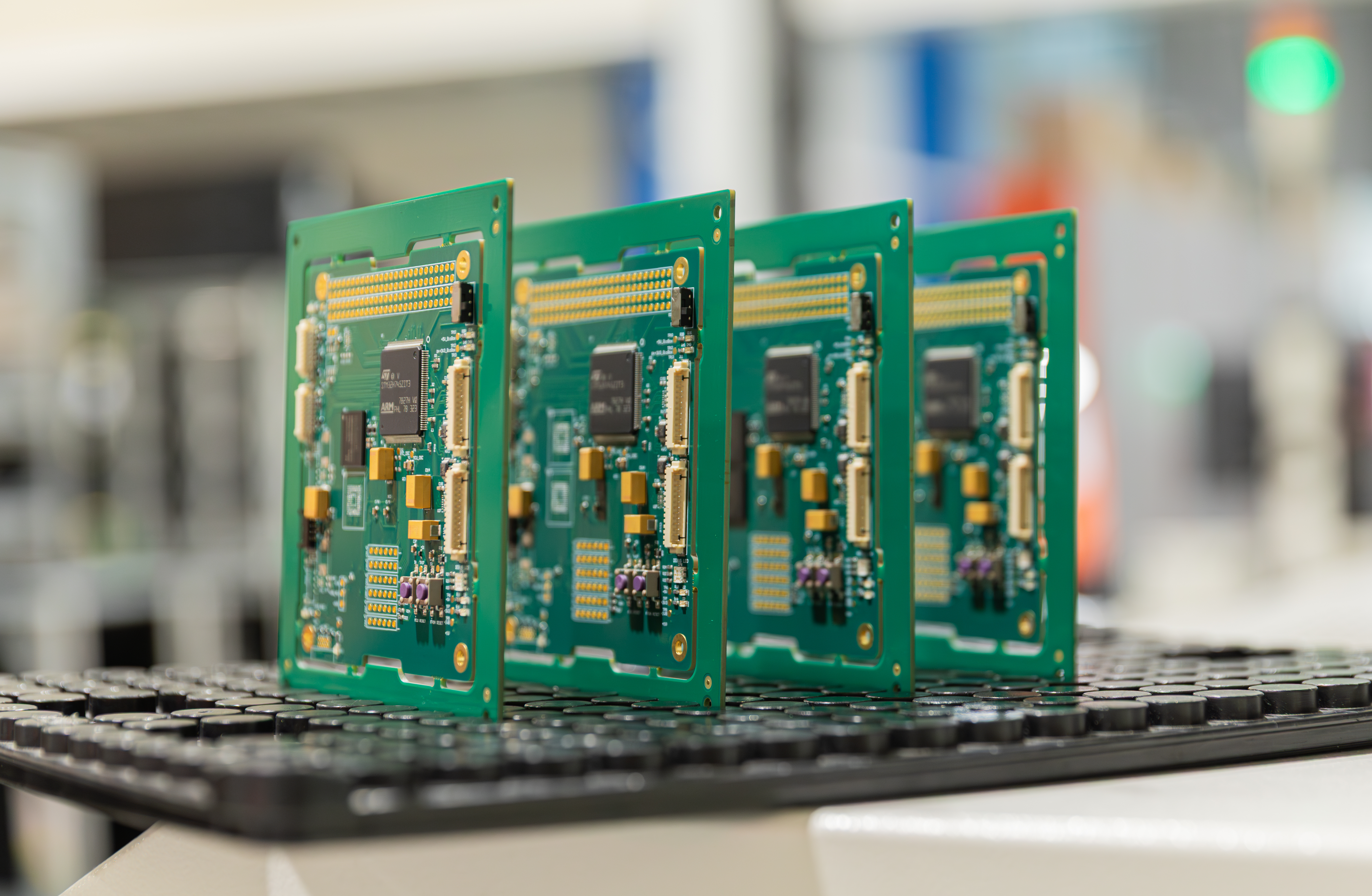
On-board computer
The OBC is developed with the mission at center and it is custom made to meet our specific requirements. It needs to be able to communicate with all the different subsystems reliably in order for the mission to succeed.
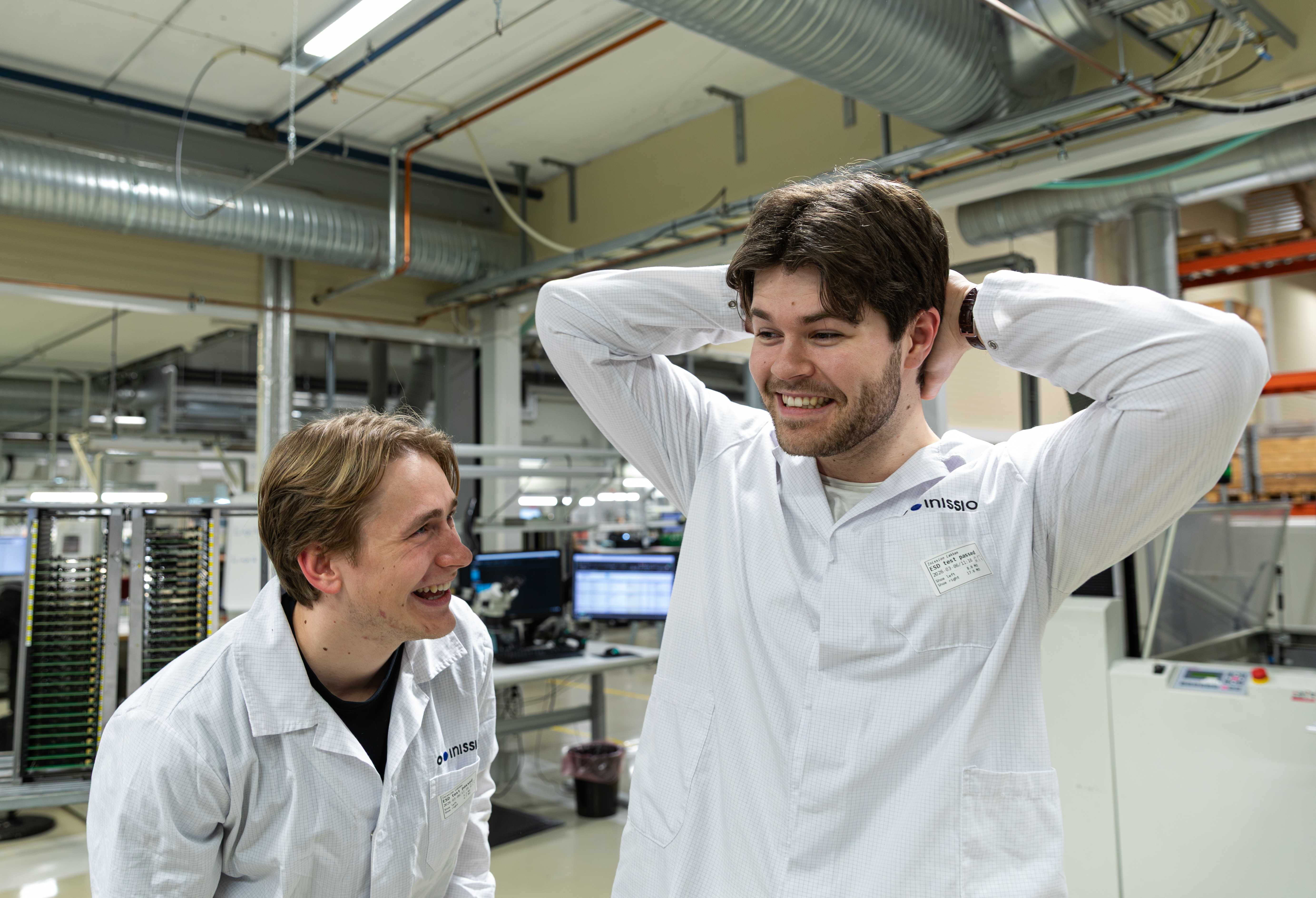
In-house electronics
At its heart a microcontroller handles the main processing. Building it in-house means the team understands, and can fix, every layer of the stack.
ADCS
Keeping the satellite oriented correctly is essential for the BioSat mission. Both communications and solar panel charging rely on proper pointing to be done.
The Attitude Determination and Control System is developed completely by Orbit NTNU, and runs on our in-house OBC. It uses IMU and magnetometer data in addition to a set of coarse and fine sun sensors to determine the attitude of the satellite. To alter the attitude, it can use a combination of reaction wheels and magnetorquers to have full control of the satellite's orientation.
Concept & Design
The mission takes shape: a 3U CubeSat that grows a plant in orbit, with a software-defined radio as a second payload.